FREE PELVIC HEALTH HANDOUTS
Prolapse Cycle Personal Reflection Guide
$0.00

This document will guide you through reflecting on your current symptoms, what might be causing them, and how to take the first steps to reduce them. If you are stuck in a cycle of constantly checking your prolapse and are afraid of moving your body, this guide is for you. I will break down why the prolapse heaviness causes fear and eventual weakness from avoiding exercise all-together.

Fiber Foods
$0.00

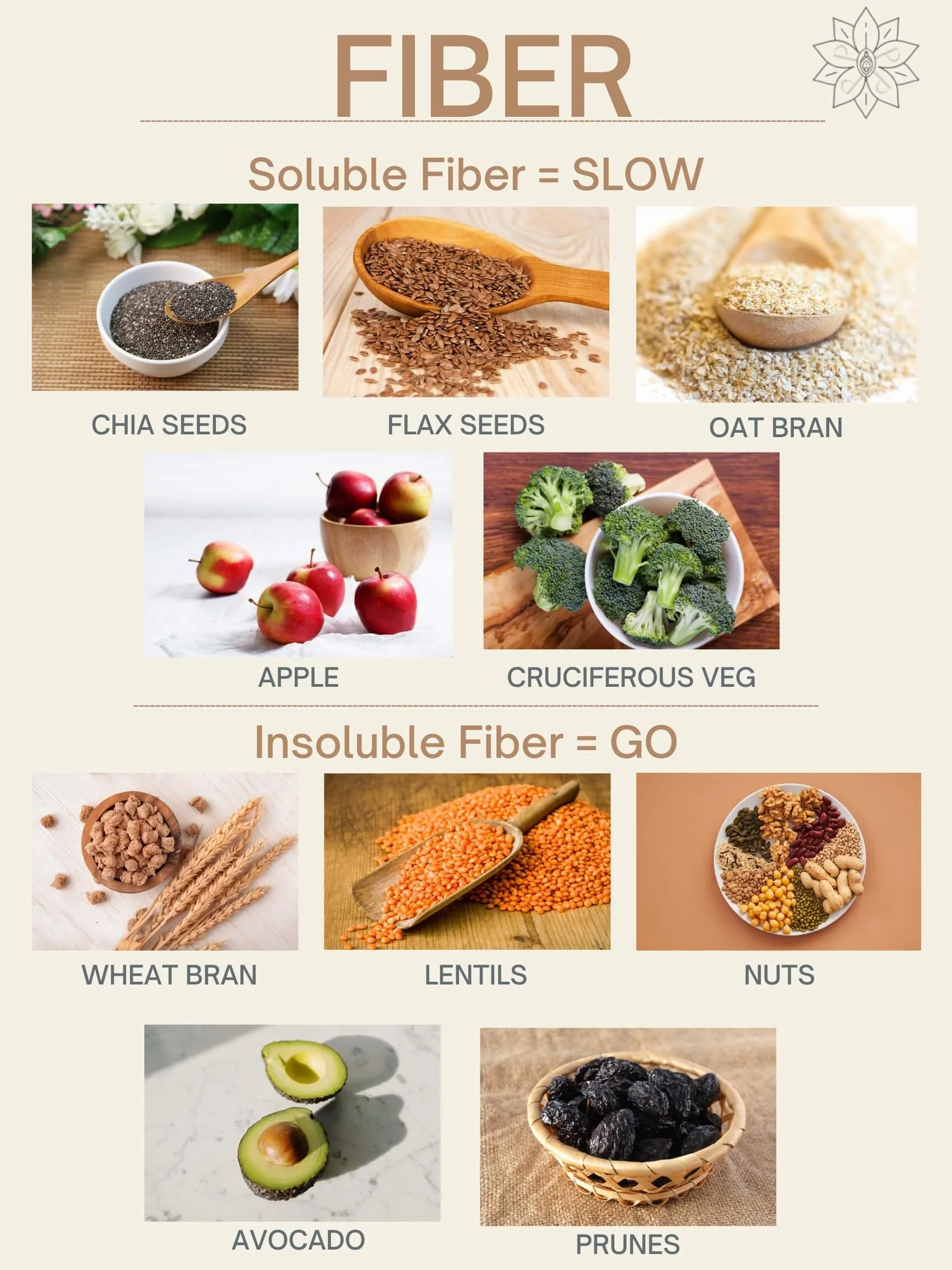
Both soluble and insoluble fibers are important for maintaining regular bowel movements and a healthy gastrointestinal tract. Soluble fibers act like glue, and they make your stool stickier and more held together. Imagine what happens to chia seeds when you soak them in water - this is soluble fiber which adds bulk to your stool. Insoluble fibers are harder to digest and are the foods that help move the stool along through your GI tract. For women it is recommended to get at least 25g of fiber per day.

Stretching Pelvic Floor
$0.00

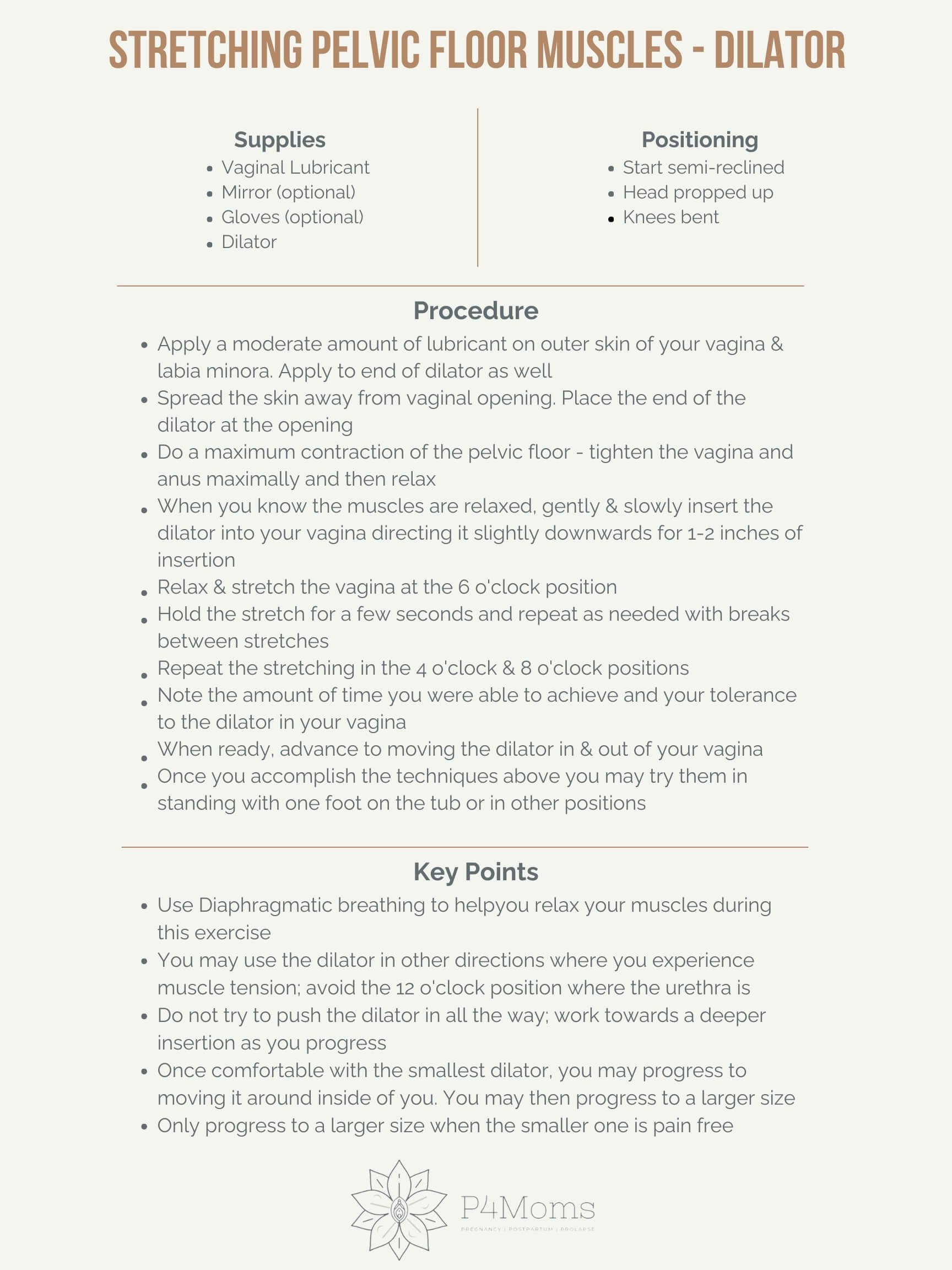
There are a variety of ways to stretch the pelvic floor muscles, one of which utilizes a tool called a dilator. Dilators are made of medical grade silicone, and they come in a variety of widths and lengths. The purpose of dilator training is not only to stretch the muscles but also to help your nervous system relax. Pelvic floor tension is caused by a variety of things, but a common theme is that the nervous system is involved. Pain, fear, anxiety and stress contribute to jaw-clenching, glute gripping, and pelvic floor tightening - all signs of an upregulated nervous system. Dilator training must be done in conjunction with mindfulness and diaphragmatic breathing to get the greatest result. My favorite dilator kit is from Intimate Rose.

https://www.intimaterose.com/collections/vaginal-dilators?srsltid=AfmBOorX_g_0LFXpyFOHlVdAeIXq3RtNSpJjLR-L-TQYM-7mkoQfz77X&client_id=1807419464.1767763780&session_id=1767763781&edgetag_id=d7d7663a-e399-4104-829a-22746266b4f2-1767763779224 The code MARGO1 will get you $5 off your purchase.

4Ps of Prolapse Management
$0.00

Pressure - Breathing is the first thing you should learn in order to help your pelvic floor. The pelvic floor and the diaphragm work in synergy and if one is not functioning well, it will often affect the other.

Posture - In a body with prolapse we talk a lot about pressure and support. Our goal with posture is to provide the optimal support structure for all types of pressures or forces exerted on the body throughout the day.

Preparation - Train the muscles the way you want them to perform.

Positive Thinking - I am a big believer that our brains are powerful and that our thoughts matter. After a POP diagnosis, it is easy for us to hate our bodies and to only think negatively about our future. However, I think that we should try not to perseverate forever on how life has changed.

Vulvar Skin Care
$0.00

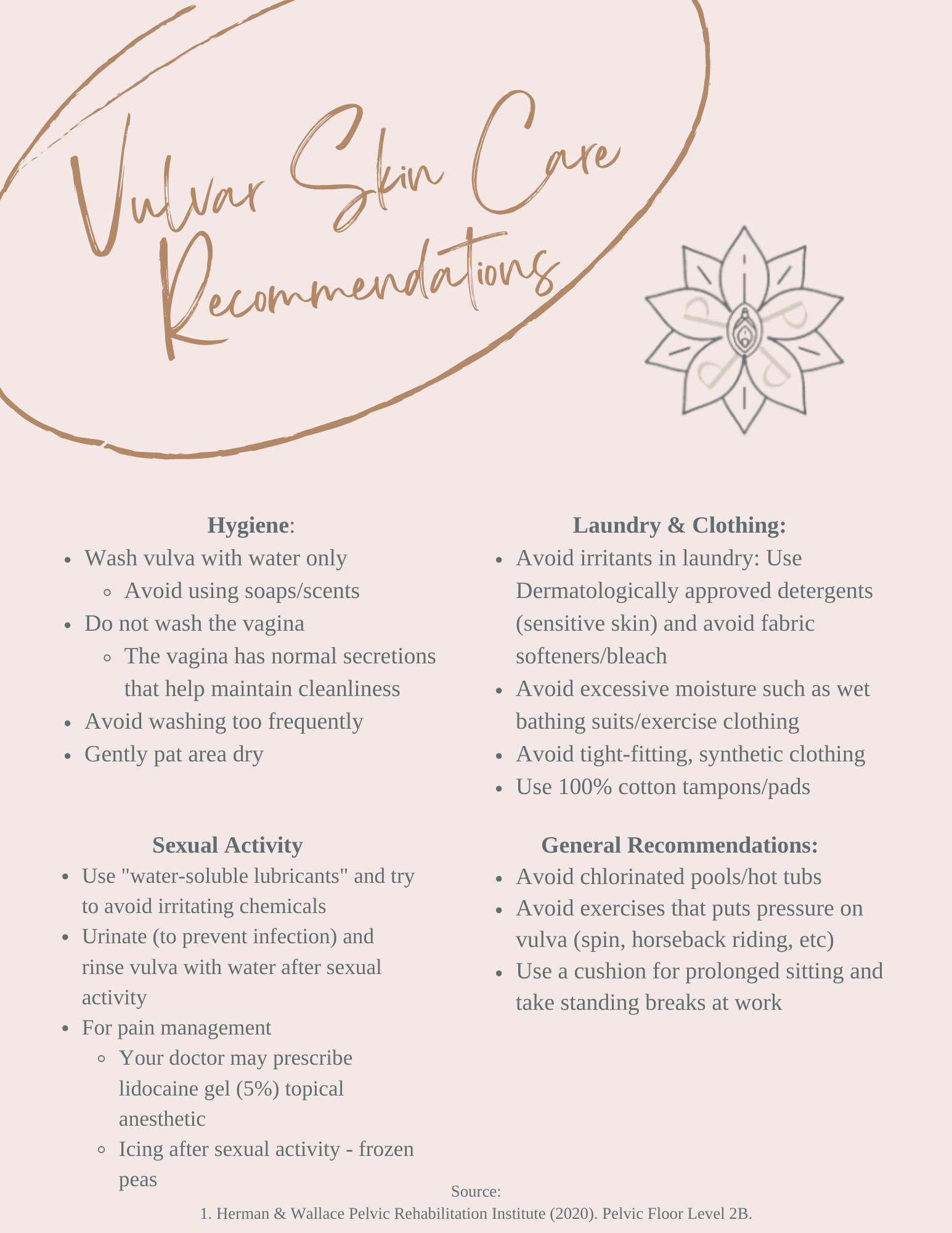
Tips for maintaining vulvar skin include practicing good hygiene, avoiding irritants when laundering clothing, avoiding excess moisture by changing out of wet clothing, avoiding tight-fitting and synthetic clothing, using water-based lubricants with sexual activity, and urinating and rinsing the vulva after sexual activity.

Pelvic Tension Map
$0.00

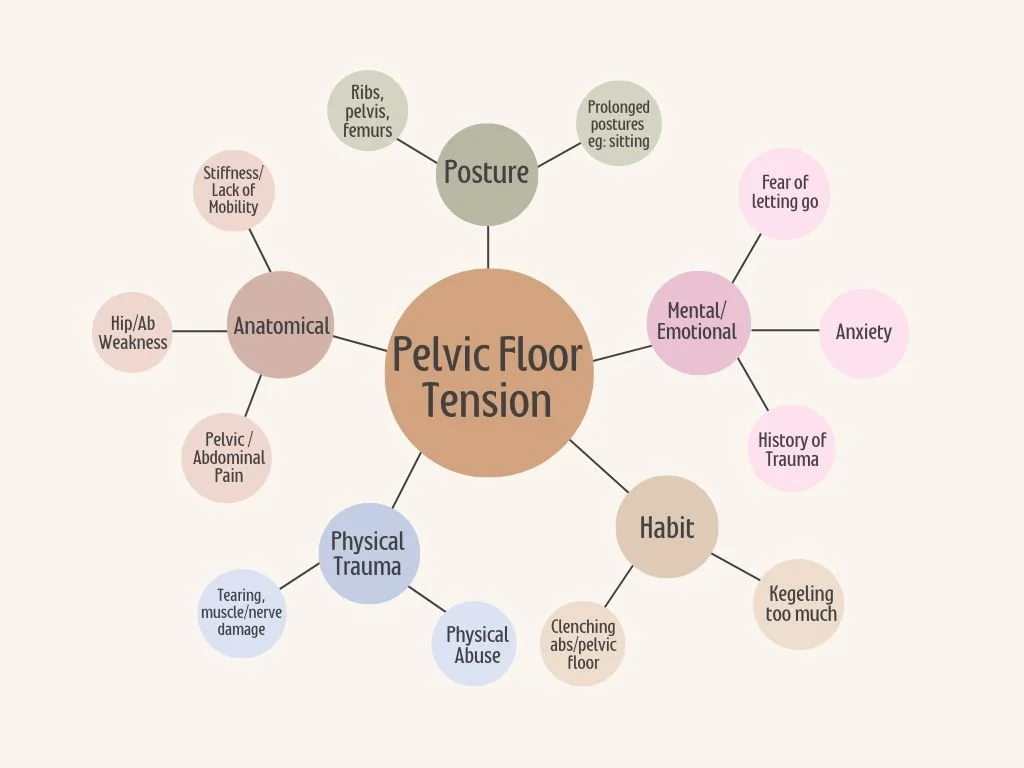
Pelvic floor tension can come from a lot of different places. Sometimes it's physical - weak hips or abs, pain in your pelvis or abdomen, stiffness in your ribs or hips, or spending too much time sitting. For some people it's just habit - you've been clenching so long your body forgot how to relax, or maybe you've done way too many kegels. Physical trauma like tearing, nerve damage, or abuse can also create chronic tension. Identifying the root cause will help you get to the source of your tension.

Bladder Emptying Strategies
$0.00

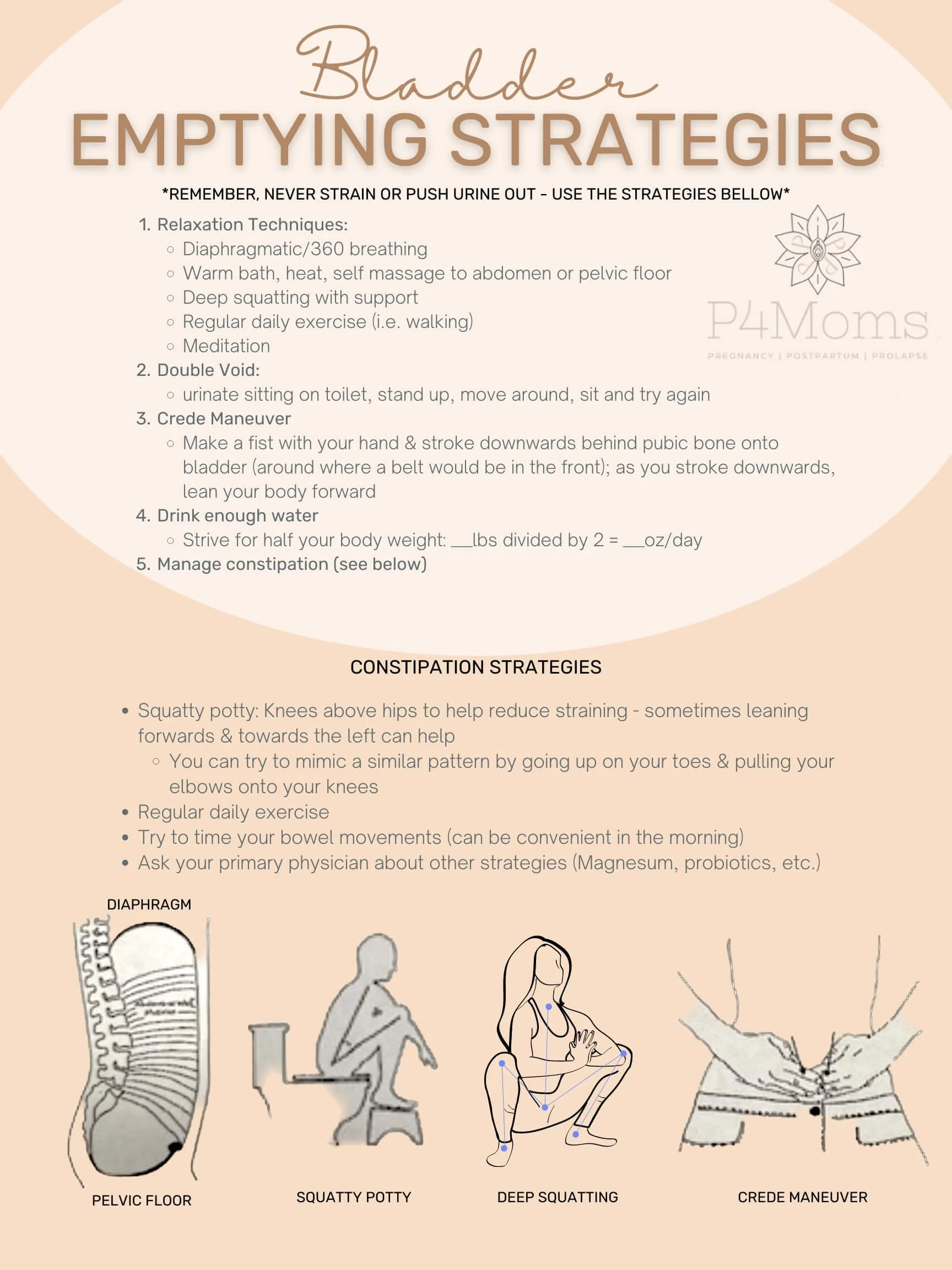
There are a variety of reasons why women have a difficult time emptying their bladders including muscle tension, prolapse, nerve trauma, and more. If you are struggling to empty your bladder, make sure you are fully hydrated. If you are under hydrated your bladder will not experience the regular stretch and emptying pattern throughout the day. Pelvic floor muscle tension is a large contributor to incomplete voiding. Make sure you are not bearing down to urinate - the bladder should empty on its own because it is a muscle (detrusor muscle). Try 360 breathing and relaxing the pelvic floor. For people with a cystocele, especially a more significant one, leaning forward on the toilet can help pull the bladder up allowing for a full void. Double-voiding is another trick where you wipe, stand up and move your pelvis around, then sit and urinate a second time to fully empty.

Vaginal Lubricants
$0.00

There are so many lubricant and moisturizer options out there, and what works best really depends on what you're dealing with. For everyday use, water-based and organic lubricants are a good place to start. If sex is painful, lubricants with lidocaine or CBD suppositories can help numb the area. Just make sure to check with your provider before using anything with lidocaine. If you get frequent yeast infections, stay away from products with glycerin. For vulvodynia or vestibulodynia, I suggest lubricants with lidocaine. Post-menopausal women dealing with dryness often do better with products that have a higher pH. This guide has specific product recommendations for all of these situations so you can find something that works for you.

Common Bladder Irritants
$0.00

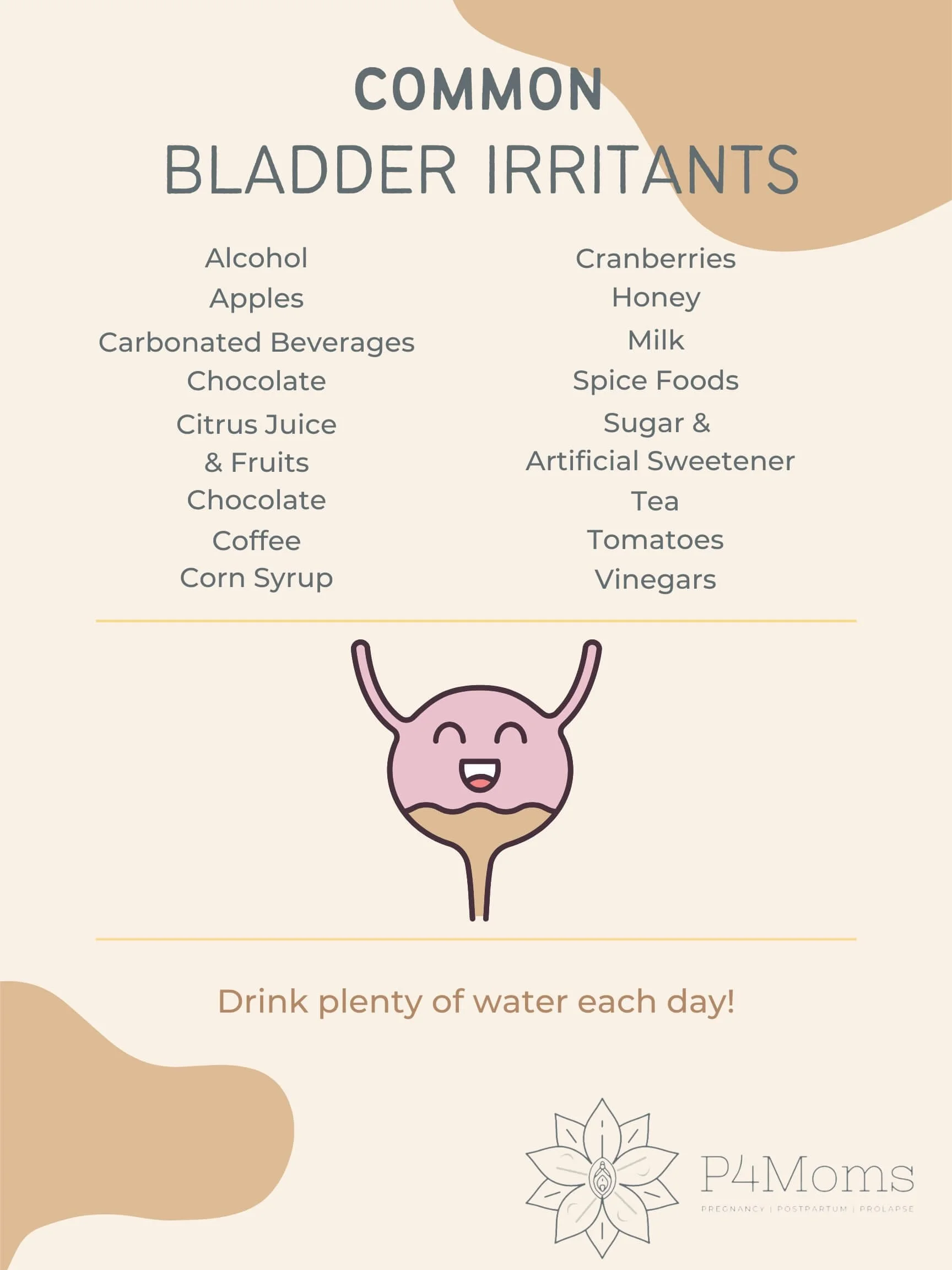
Not all people are sensitive to bladder irritants, but for certain individuals, small changes can make a big difference. Your bladder should be able to tolerate a variety of foods and liquids without bladder pain, increased urinary urgency or urinary frequency. Some foods that are acidic, spicy, or sweetened artificially can trigger irritation of the bladder lining. This doesn't mean that you have to stop drinking coffee! If you are a person with bladder sensitivities, you should drink plenty of water before and after ingesting the bothersome item. On days you plan to eat a spicy meal out with friends, consider avoiding other known irritants earlier in the day.

Stress Urinary Incontinence
$0.00

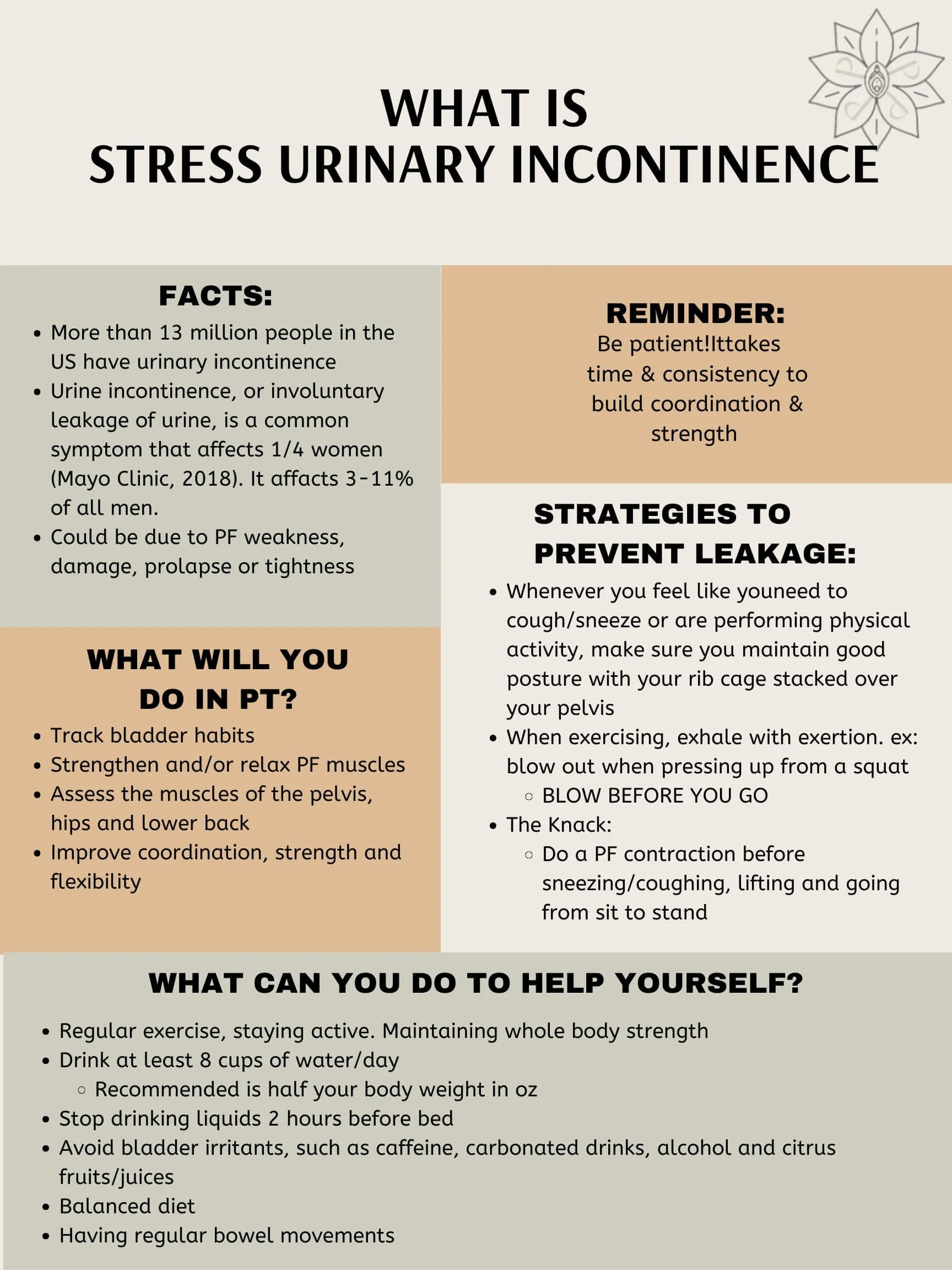
Stress incontinence can happen when you cough or sneeze because the pelvic floor muscles become fatigued and mo longer have the endurance. When you feel the need to cough, sneeze or are performing physical activity, make sure you maintain good posture with your ribs stacked over your pelvis. Perform a knack (pelvic floor contraction) before sneezing, coughing, lifting, and going from sitting to standing.

Urge Urinary Incontinence
$0.00

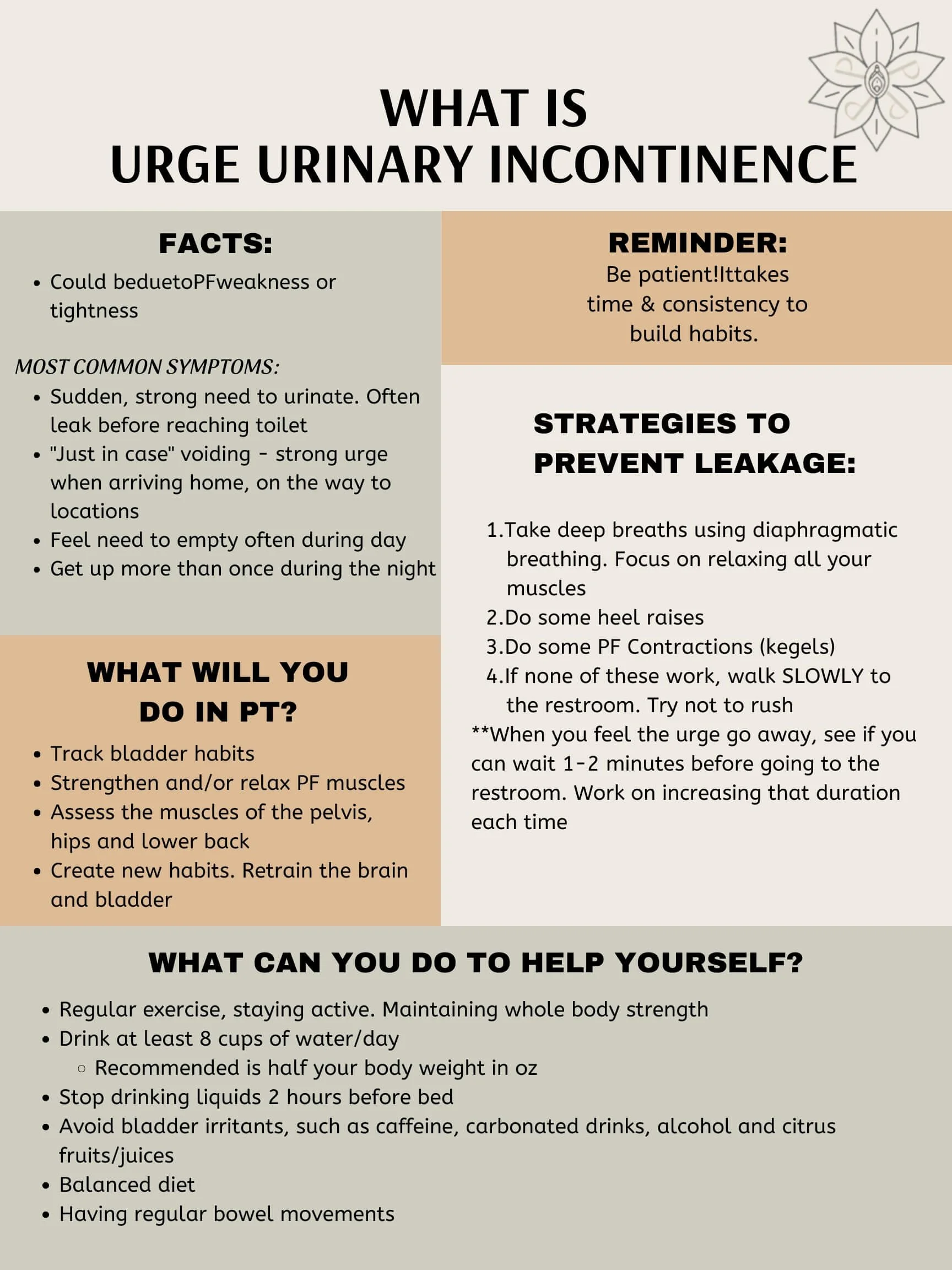
Urge urinary incontinence is the sudden feeling that you need to urinate. It can be due to pelvic floor weakness or tightness. Regular exercise, staying active, and maintaining whole body strength can help reduce symptoms of urge urinary incontinence.

Deep Core & Pelvic Floor: A How-To Guide
$0.00

Learning how to engage your deep core and pelvic floor muscles is an essential skill for pelvic health. Start by practicing with your breath - inhale and relax, exhale and contract, making sure to relax fully between repetitions. If you try to engage at 100%, your compensatory strategy will win every time, so decrease the force of contraction until you can engage these muscles in isolation. Some people struggle to engage their core without overactive obliques when lying down or sitting. If this sounds like you, try practicing on your hands and knees against the pull of gravity. If you tend to grip your abdominal or pelvic floor muscles, you might benefit from massage or cupping to the abdomen and diaphragm first. My favorite cues for the deep core are to imagine an ice cube on your lower abs and pull away from it, or "sip then zip" - engage the pelvic floor first then zip up the abdominals second. For the pelvic floor, imagine a ripple in water but backwards - start the contraction from the tailbone and move inward towards the vagina. To relax, do the opposite.

Pessary Research Guide
$0.00

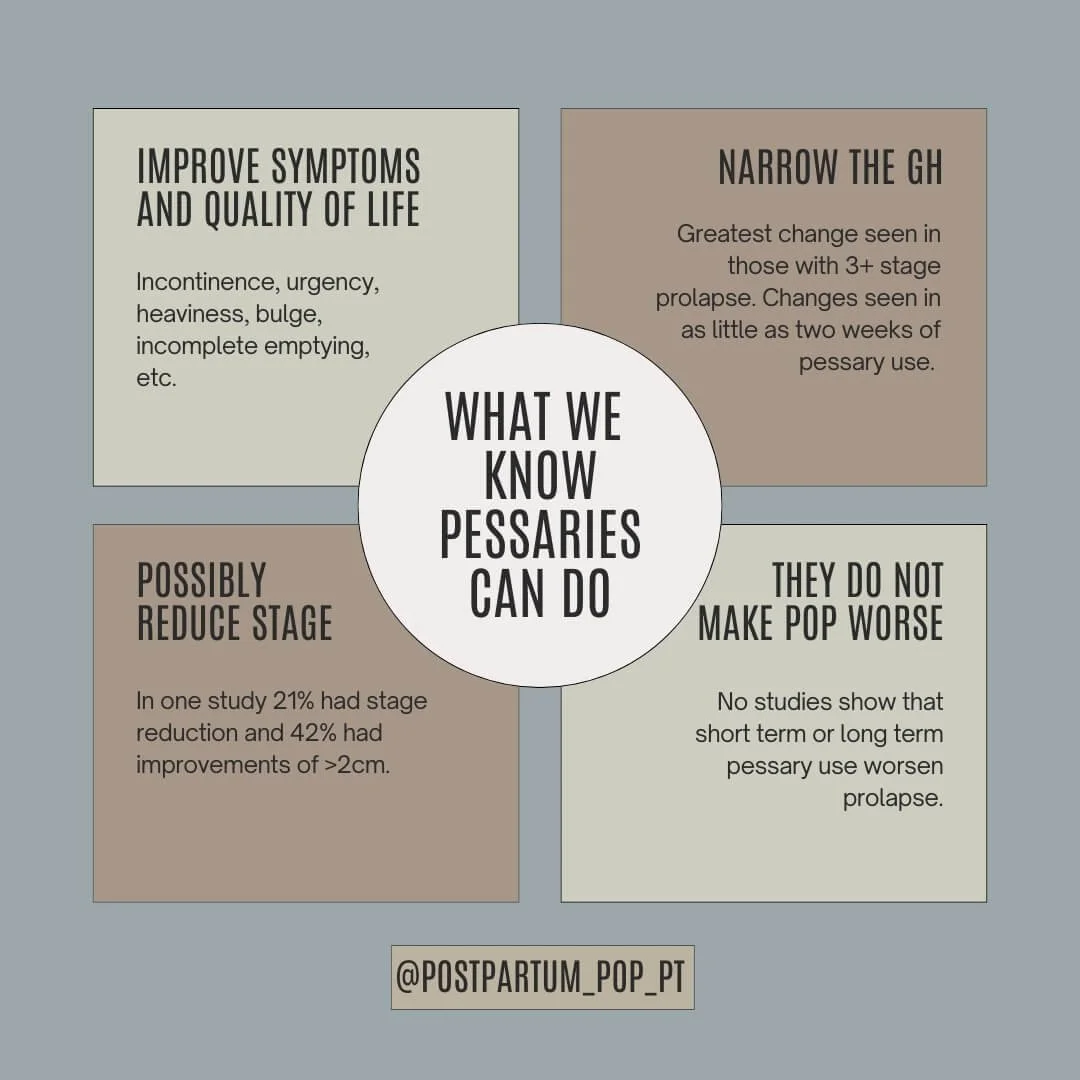
A lot of my patients wonder if using a pessary will actually help with their prolapse symptoms or if it might make things worse. The research is really encouraging. Studies show that pessaries can significantly reduce symptoms and improve quality of life for people with pelvic organ prolapse.

Poop Smoothie
$0.00

This smoothie is my go-to recommendation for patients who struggle with constipation. Avoiding constipation is really important for prolapse management because straining puts extra pressure on your pelvic floor and can worsen symptoms. This recipe is packed with protein and fiber to keep you full and keep things moving. I drink this nearly every day for breakfast. The combination of protein powder, collagen, chia seeds, flax seed meal, and fruit gives you everything you need to support healthy bowel movements without having to strain. You can customize it based on what you have on hand or your dietary preferences. If you need extra fat or calories for breastfeeding, you can swap almond milk for whole milk or add nut butter. I like my fruit frozen, but fresh works too. The key is getting enough fiber and staying hydrated throughout the day to maintain regular, comfortable bowel movements.

Avoiding Constipation
$0.00

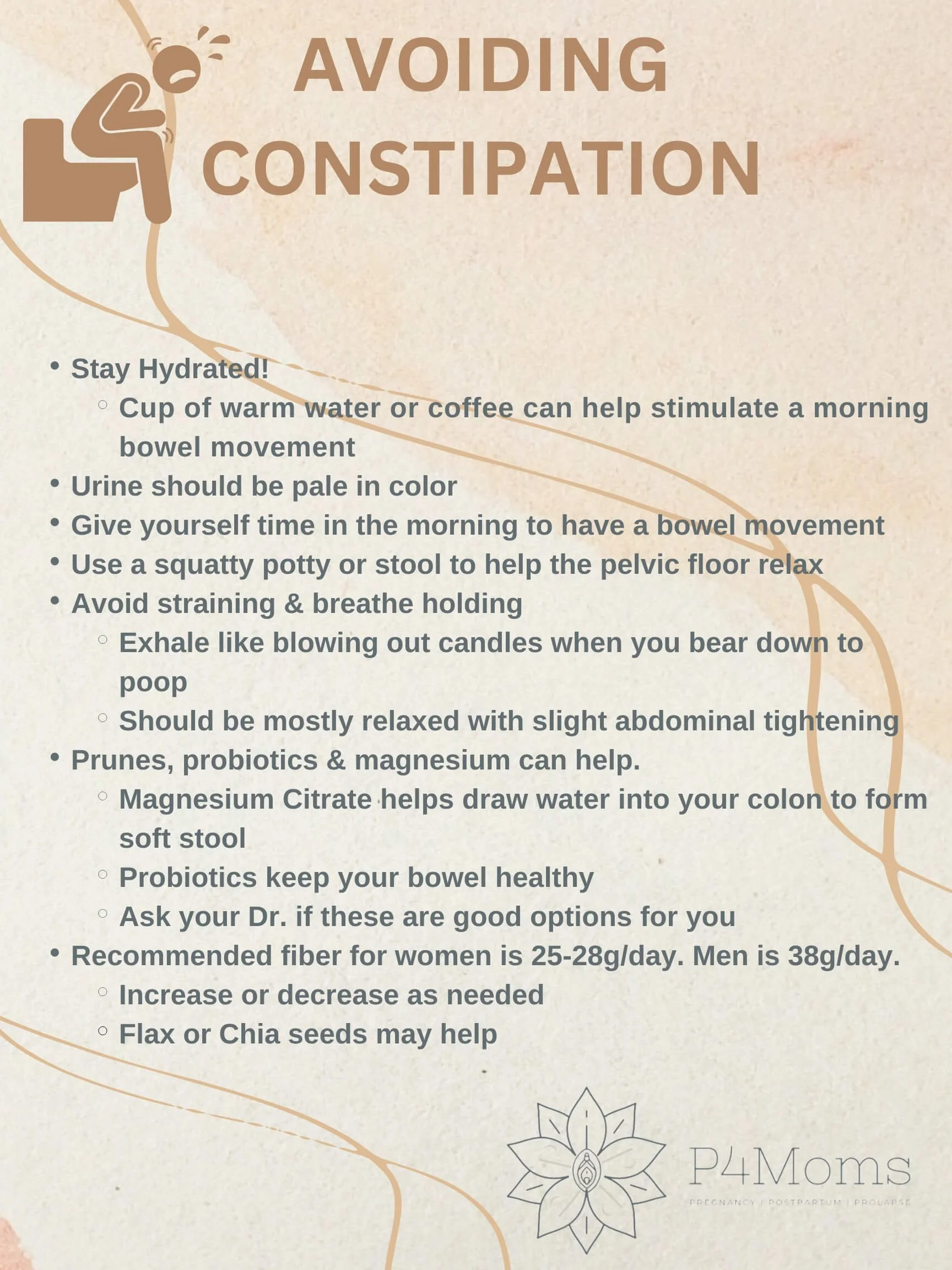
Constipation can be a troublesome thing to manage with a prolapse diagnosis. Getting your bowels under control is the first best thing you can do for yourself. Hydration is of the upmost important . Without enough water your body will draw all the extra moisture it can find from your bowels to keep your other organs healthy and functioning. Aim to drink your (body weight in pounds) divided by (two) = the number of ounces of fluids you should drink daily. Herbal tea, juice, milk etc. all count towards this goal. Coffee and other caffeinated beverages do not. Alcohol also does not count as these both act as diuretics and increase your urine output. Other helpful things for constipation include magnesium citrate, which draws moisture into your large intestine, and fiber. Both soluble and insoluble fibers are important for maintaining regular bowel movements and a healthy gastrointestinal tract. Check out my fiber hand out for ideas on the different types. When you are on the toilet use a squatty potty and teach yourself not to bear down. A pelvic health therapist can help teach you this. Don't forget how important movement is for regularity and for prolapse symptom management.

Abdominal Massage
$0.00

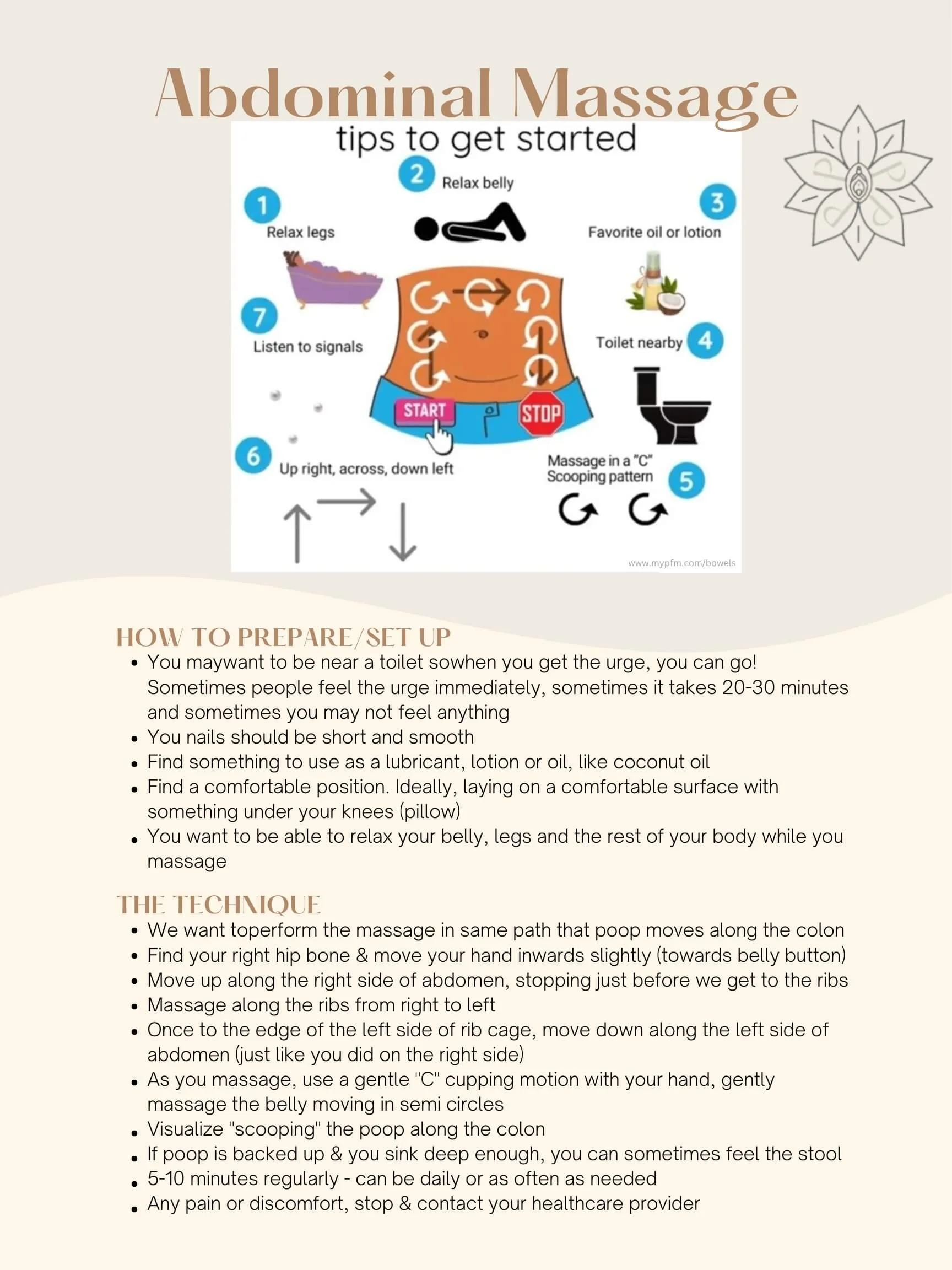
The ILU (I Love You) abdominal massage is a great tool when feeling constipated. Stool travels through our small intestine then enters the ascending colon, travels across the transverse colon, goes down the descending colon into the sigmoid and then rectum. If the stool is really firm or you are struggling with slow motility (slow moving stool), this massage might be helpful. Keep in mind that exercise is necessary for gut motility! Don't be afraid to move even with prolapse!

Perineal Massage
$0.00

When I coach patients on how to do perineal massage during pregnancy we always discuss two big topics. First, perineal massage has been shown to reduce the risk of grade III and IV tears of the perineum. These tears are called OASI (obstetrical anal sphincter injuries) and involve tissue damage to the anal sphincters. The second reason to do perineal massage is to practice your breathing to relax your pelvic floor. During delivery the pelvic floor muscles need to relax so the uterus and abdominal muscles can push the baby out. If you are having an unmedicated birth this process will be painful. Experiencing some painful stretch at the perineum while practicing your labor breathing and realxation of the pelvic floor muscles can have a lot of carry over in to the delivery room. Your goal during the massage is to relax, breathe down into the perineum to stretch the tissues and meditate or think about your birth mantra, song, or verse you will carry with you into the room.

Pelvic Tension Cylce
$0.00

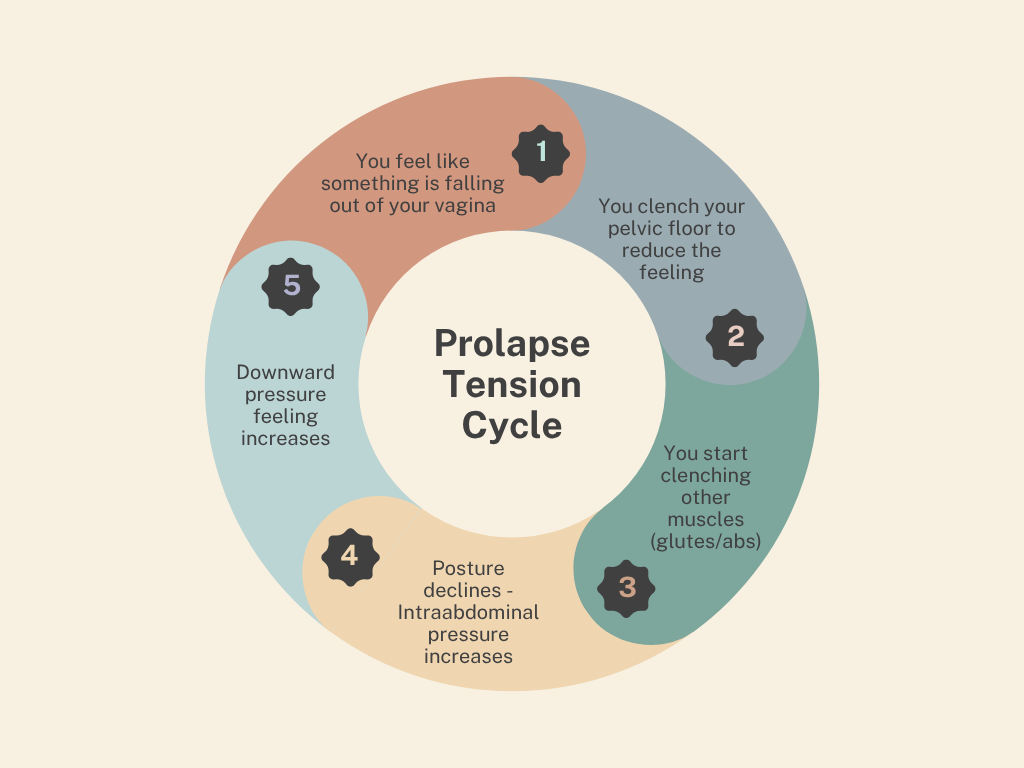
The cycle usually starts when you feel like something is falling out of your vagina. It's a scary feeling, so naturally you clench your pelvic floor to try to reduce it. But when you clench your pelvic floor, you often start clenching other muscles too - your glutes, your abs, everything tightens up. As you continue holding all this tension throughout the day, your posture starts to decline and the pressure inside your abdomen increases. That downward pressure makes the prolapse feeling even worse, which makes you want to clench more, and round and round you go. Breaking this cycle starts with awareness - recognizing when you're gripping and learning to let go of that tension.

Daily Voiding Log
$0.00

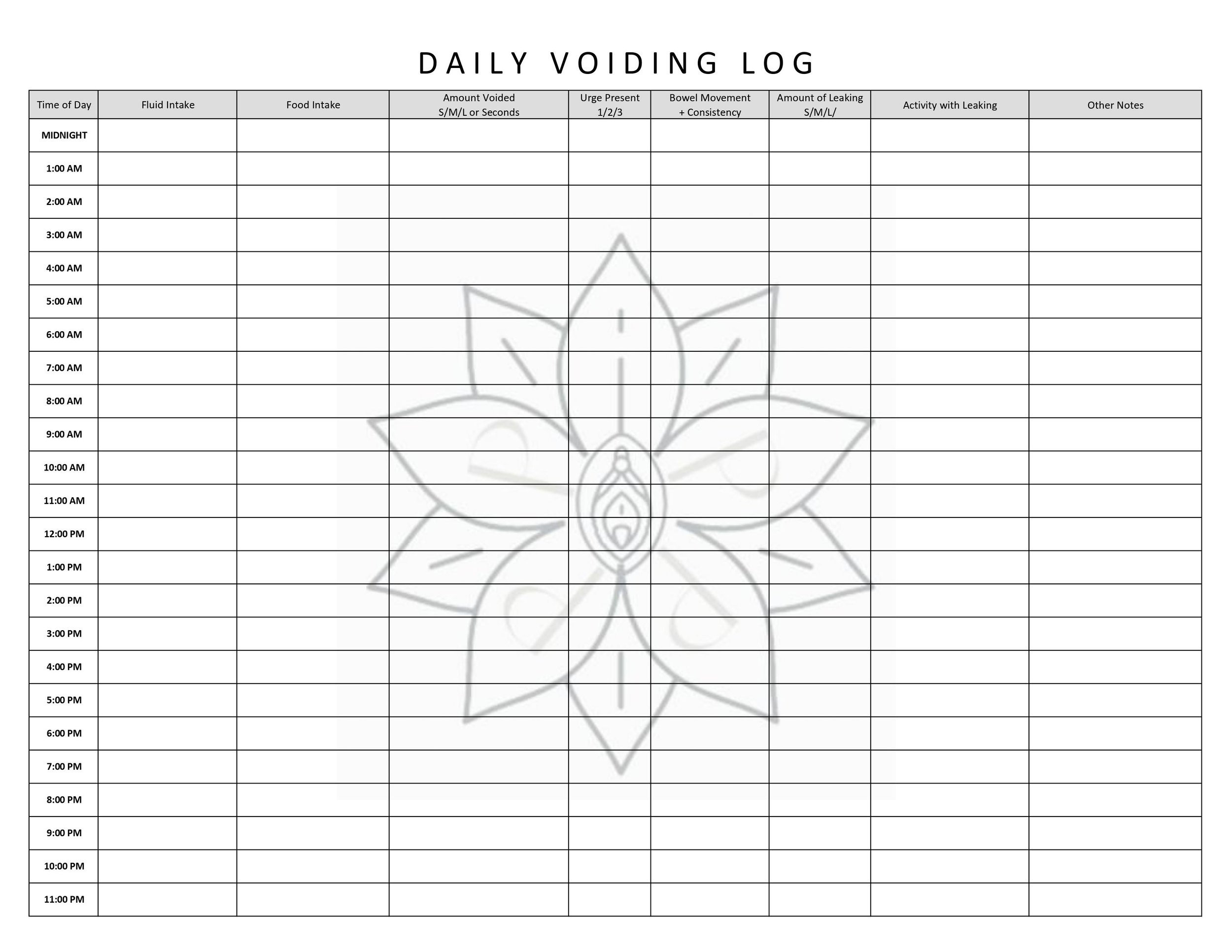
A voiding log is one of the most helpful tools for understanding your bladder patterns and managing both stress and urge urinary incontinence. This gives us a complete picture of what's happening throughout your day. When you track everything for a few days, we can start to see patterns. Maybe you're not drinking enough water, or certain foods or drinks are triggering urgency, or you're going too frequently out of habit rather than actual need.

Pelvic Wand How-To
$0.00

Hypertonic (too tight) pelvic floor muscles can contribute to various symptoms including pelvic, hip, low back, and tailbone pain, prolapse heaviness, urinary incontinence, difficulty emptying the bladder or bowels. Your body should be comfortable, reclined, and relaxed. 360 breathing beforehand can help relax and lengthen the muscles. You will need a good quality, water-based lubricant. It is important to keep pain levels low while doing internal release. A pelvic floor wand can help release superficial and deep pelvic floor muscles.